Why Short-Form Video Still Dominates Music Discovery (And How to Win)

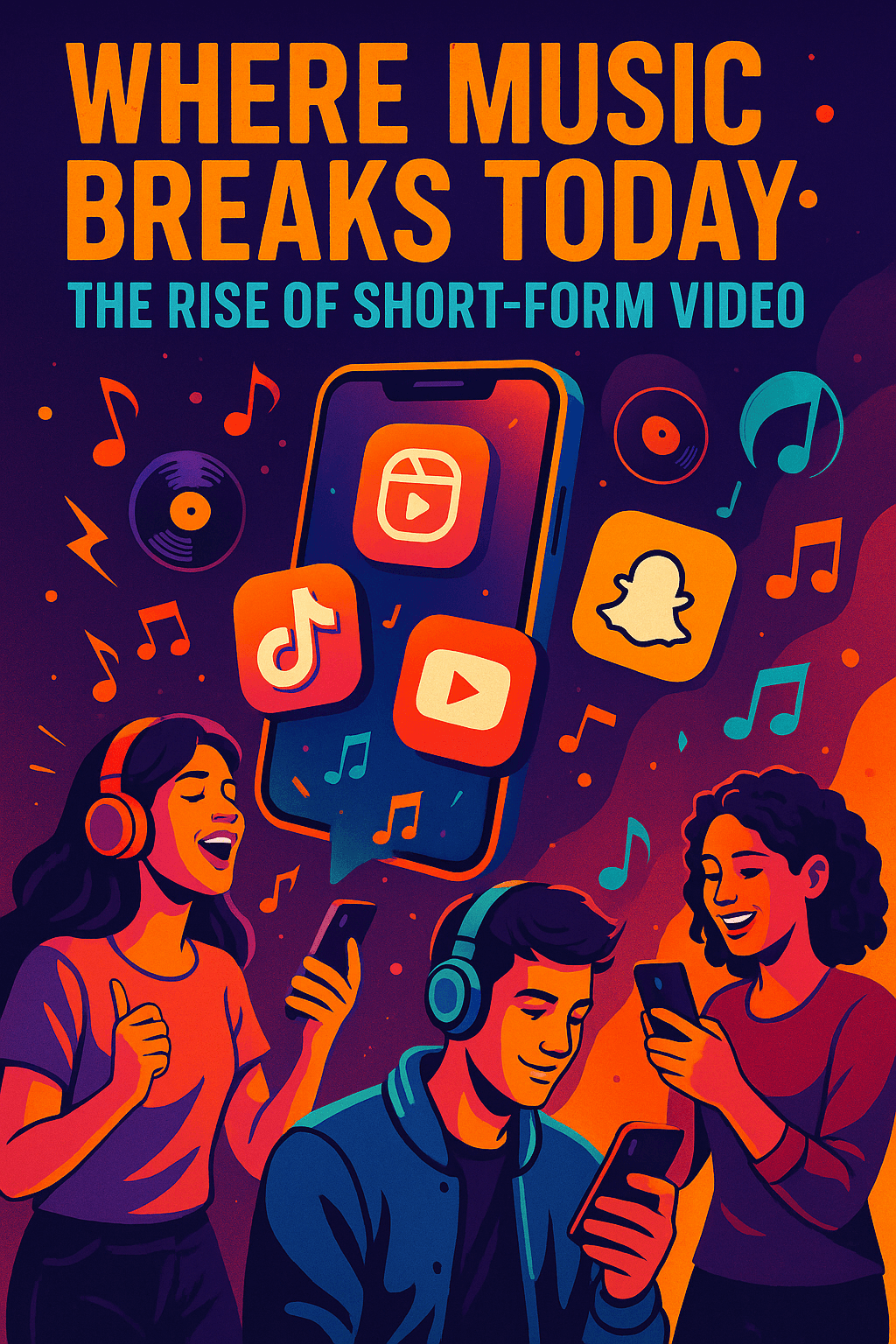
Looking back, surveys like Bloomberg's insightful poll of the "50 Smartest Music Executives" historically identified TikTok as a pivotal platform for breaking artists, even when options included established giants like YouTube, Spotify playlists, and traditional radio play. Their top answer then? TikTok.
Fast forward to 2026, and this sentiment not only holds true but has expanded and evolved in significant ways. The core reasoning from executives years ago still resonates with even greater impact today: "TikTok generates the most awareness at scale. The amount of time that young people spend on TikTok discovering everything from recipes to new travel locations to new music is massive." In 2026, this "massive" has become "colossal," and the demographic, while still youth-centric, has broadened considerably. With TikTok now boasting approximately 1.6 billion monthly active users, the platform's influence on music discovery has never been stronger—or more competitive.
While TikTok, with its sophisticated algorithm and ever-expanding feature set (including enhanced music integration tools and evolving e-commerce capabilities for artists), remains a formidable force, it's crucial to embrace the wider, more mature ecosystem of short-form video. This isn't just about one platform; it's a dominant content consumption paradigm. The key players in 2026 include:
- TikTok: Still a primary engine for virality and trend-setting. Its music licensing landscape continues to evolve, and its tools for creators are more sophisticated than ever, now featuring AI-assisted content suggestions and enhanced sound attribution. (Explore the TikTok Creator Portal).
- Instagram Reels: Deeply integrated into the Meta ecosystem, Reels benefits from Instagram's massive 2.5 billion monthly active users and offers strong visual storytelling capabilities, increasingly tied to monetization for creators. Meta's continued investment in AI-powered editing tools has made Reels creation faster and more accessible. (Learn more at Instagram for Creators).
- YouTube Shorts: Leveraging the power of the world's largest video platform, Shorts provides a direct funnel to an artist's broader YouTube presence (music videos, live streams, community posts) and benefits from YouTube's robust music licensing and monetization infrastructure. With YouTube Music surpassing 100 million subscribers, the Shorts-to-streaming pipeline has become increasingly valuable. (Check out YouTube Creators).
- Snapchat Spotlight: While perhaps more focused on ephemeral content, Spotlight continues to be a relevant space for reaching younger audiences with engaging, quick-hit video moments.
Why Short-Form Video Reigns Supreme in 2026
The dominance of short-form video content is no longer a fleeting trend; it's an established cornerstone of digital culture and media consumption. Major platforms continue to invest billions in this format, and their algorithms are finely tuned to prioritize and promote these engaging, easily digestible posts. This makes it the undisputed champion for organic music promotion and artist discovery. The barrier to entry is relatively low, but the potential for explosive reach is unparalleled.
Furthermore, the rise of accessible AI-powered video editing tools has made creating compelling short-form content even easier for artists at all levels. In 2026, we're seeing AI tools that can automatically sync video cuts to your music's beat, generate caption variations for A/B testing, and even suggest optimal posting times based on your audience's behavior patterns. Artists who embrace these tools strategically—while maintaining their authentic creative vision—are seeing significantly higher engagement rates.
How Can You Capitalize on This Enduring Trend in 2026?
1. Develop a Multi-Platform Short-Form Strategy
Don't put all your eggs in one basket. Understand the nuances of each platform and tailor your content accordingly, but maintain a consistent brand voice. In 2026, cross-posting alone isn't enough—each platform's algorithm now favors native content created specifically for its format and audience expectations.
2. Embrace Authenticity and Storytelling
In a sea of content, genuine connection stands out. Share behind-the-scenes glimpses, your creative process, personal stories, and connect with your audience on a human level. As AI-generated content becomes more prevalent, audiences are increasingly drawn to raw, unpolished moments that feel unmistakably human. This shift toward authenticity over production value is one of the defining trends of 2026's music marketing landscape.
3. Consistent, High-Quality Output
Regularity keeps you top-of-mind. Aim for quality over quantity, but establish a sustainable content cadence. Leverage scheduling tools and batch-create content. Platform algorithms in 2026 increasingly reward consistency, with most favoring creators who post at least 4-5 times per week while maintaining strong engagement metrics.
4. Engage with Trends (Strategically)
Participating in relevant trends can provide a significant visibility boost. However, always adapt trends to fit your unique artistic identity rather than just copying. Create your own trends where possible. The most successful artists in 2026 are those who can spot emerging trends early and put their unique spin on them within the first 48-72 hours—timing has become critical as trend cycles continue to accelerate.
5. Collaborate with Influencers and Creators
Influencer marketing remains highly effective, though the landscape has shifted toward valuing genuine engagement over follower counts. Partner with creators whose audience aligns with your target demographic and who demonstrate authentic enthusiasm for your music. Platforms like SpaceLoud continue to connect artists with influencers who will promote your music on TikTok, Instagram Reels, Snapchat, and more. Explore the impressive reach of their short-form video posts, where even micro-influencers with dedicated communities can make a substantial impact—often outperforming larger accounts in conversion rates.
6. Utilize Platform-Specific Features
Take advantage of duets, stitches, interactive polls, Q&As, live features, and emerging AR filters or AI-assisted creative tools native to each platform to boost engagement. In 2026, platforms are heavily promoting their newest features through algorithmic boosts, so early adoption of new tools often translates directly to increased visibility.
7. Drive to Deeper Engagement
Use short-form video as a hook to lead fans to your streaming profiles (Spotify, Apple Music), merchandise stores, tour dates, or community platforms like Discord or Patreon. Clear calls to action are essential. With Spotify now serving approximately 675 million monthly active users and Apple Music reaching around 110 million subscribers, the streaming audience waiting to discover you is larger than ever—but you need to guide them there intentionally.
8. Analyze Your Data
All major platforms provide analytics. Pay attention to what's working – which sounds, formats, or themes resonate most – and refine your strategy accordingly. In 2026, savvy artists are also leveraging AI-powered analytics tools that can identify patterns across platforms and predict which content styles are likely to perform best for their specific audience. Industry resources like Music Business Worldwide or Billboard's digital charts can also offer insights into broader trends.
The music landscape is more dynamic than ever, and short-form video is your most powerful megaphone. It's where culture is created, trends are born, and new artists are discovered daily. The artists who thrive in 2026 are those who view short-form content not as a promotional obligation, but as a creative medium in its own right.
If you need help developing or refining your short-form video strategy for 2026 to ensure your music cuts through the noise, don't hesitate to reach out. Our team is here to help you capitalize on this powerful and ever-evolving approach to connect with fans and grow your career.